

Do you need a beta reader or a critique partner? How can you even tell?
You’ve finished your draft, polished it until you couldn't stand looking at it anymore, then took a deep breath and handed it off to a reader. Two weeks later, you get back an email that just says, “Loved it!”
Nice to hear, sure, but not very helpful if you were looking for ways to improve that novel. You wanted feedback, not praise (though praise is nice, too).
Odds are good you made the common mistake of accidentally asking for a beta read when you actually needed a critique.
Critique partners and beta readers have similar jobs, but they’re not the same thing. Like so many other writing terms, the two get used interchangeably, but they mean different things, and they give you very different kinds of feedback.
What a Critique Partner Does During a Critique
 |
| Critiques are vital to writing |
Critiques can range from very detailed line-level feedback to a summarized overview of the book.
Critiques are typically done during the drafting stage, anywhere from the rough draft up to the finished draft. Most critiques are done somewhere in the middle—once the manuscript is in decent shape, but the author knows it still needs some work or has some issues.
The goal of a critique partner is to help the author fix or strengthen any issues in the manuscript that aren’t working before it reaches the “publishing” stage. For some, that might mean prior to sending it out to agents or editors, others, before it gets published. But it also means the last critique before it goes to beta readers.
(Here’s more with 7 Things to Remember When Giving (or Receiving) Feedback on a Manuscript)
What a Beta Reader Does During a Beta Read
 |
| Beta readers give the reader experience |
They aren’t looking for mistakes or issues with the technical aspects of writing, and they’re not likely to make line comments (though some might to let you know where something affected them, good and bad, and many are good at finding typos).
Beta reads are typically done after the manuscript is “finished” (we all know that varies), so the author can get a sense of how someone who knows little to nothing about the story enjoys the book. It’s testing the book to see if it’s ready to go—to agents, to editors, or to be published.
The goal of a beta reader is to read the novel as if they’d purchased it and essentially give the author “a review” of the book from the general reader perspective.
(Here’s more with Questions for Your Beta Readers – and To Focus Your Own Revisions)
As long as you’re getting the feedback you need, it really doesn’t matter what you call the person reviewing your manuscript. But it’s not a bad idea to clarify what you’re looking for. If you ask for a beta read but want detailed feedback, you’re not likely to get it. Same as if you ask for a critique expecting a general review of the book, and receive pages and pages of notes and comments.
(Here's more with On Critique and Beta Reader Etiquette)
Both readers and critiquers play vital roles in the writing process, and it’s useful to have some of each on hand. It’s important for us to know where the technical issues in our manuscripts are, just as we need to know how readers feel about our books.
Do you use critique partners and beta readers to improve your writing? Do you critique or beta read for other writers?
*Originally published January 2019. Last updated November 2026.
Need help revising? Get all three Fixing Your Revision Problems books in one omnibus!
 This book contains Fixing Your Character & Point-of-View Problems, Fixing Your Plot & Story Structure Problems, and Fixing Your Setting & Description Problems--PLUS a BONUS workshop: How to Salvage Half-Finished Manuscripts.
A strong story has many parts, and when one breaks down, the whole book can fail. Make sure your story is the best it can be to keep your readers hooked.
With clear and easy-to-understand examples, Revising Your Novel: First Draft to Finished Draft Omnibus offers eleven self-guided workshops that target the common issues that make readers stop reading. It will help you:
Available in paperback and ebook formats.
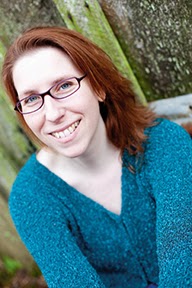 Janice Hardy is the award-winning author of the teen fantasy trilogy The Healing Wars, including The Shifter, Blue Fire, and Darkfall from Balzer+Bray/Harper Collins. The Shifter, was chosen for the 2014 list of "Ten Books All Young Georgians Should Read" from the Georgia Center for the Book.
She also writes the Grace Harper urban fantasy series for adults under the name, J.T. Hardy.
When she's not writing novels, she's teaching other writers how to improve their craft. She's the founder of Fiction University and has written multiple books on writing.
Website | Facebook | Twitter | Pinterest | Goodreads | Amazon | Barnes & Noble | iTunes | Indie Bound
Need help revising? Get all three Fixing Your Revision Problems books in one omnibus!
 This book contains Fixing Your Character & Point-of-View Problems, Fixing Your Plot & Story Structure Problems, and Fixing Your Setting & Description Problems--PLUS a BONUS workshop: How to Salvage Half-Finished Manuscripts.
A strong story has many parts, and when one breaks down, the whole book can fail. Make sure your story is the best it can be to keep your readers hooked.
With clear and easy-to-understand examples, Revising Your Novel: First Draft to Finished Draft Omnibus offers eleven self-guided workshops that target the common issues that make readers stop reading. It will help you:
- Flesh out weak characters and build strong character arcs
- Find the right amount of backstory to enhance, not bog down, your story
- Create unpredictable plots that keep readers guessing
- Develop compelling hooks to build tension in every scene
- Determine the right way to include information without infodumping
- Fix awkward stage direction and unclear character actions
Available in paperback and ebook formats.
Janice Hardy is the award-winning author of the teen fantasy trilogy The Healing Wars, including The Shifter, Blue Fire, and Darkfall from Balzer+Bray/Harper Collins. The Shifter, was chosen for the 2014 list of "Ten Books All Young Georgians Should Read" from the Georgia Center for the Book. She also writes the Grace Harper urban fantasy series for adults under the name, J.T. Hardy.
When she's not writing novels, she's teaching other writers how to improve their craft. She's the founder of Fiction University and has written multiple books on writing.

No comments:
Post a Comment